Top 10 Smart Home Gadgets That Make Life Easier in 2026
Smart home technology has moved far beyond novelty. In 2026, the best gadgets solve real problems — saving energy, improving security, and automating routine tasks so you can focus on what matters. Here are ten devices that genuinely make life easier.
Table of Contents
- Smart Thermostats
- Video Doorbells
- Smart Lighting Systems
- Security Cameras
- Smart Plugs
- Voice Assistant Speakers
- Smart Displays
- Robot Vacuums
- Smart Sensors
- Smart Locks
1. Smart Thermostats
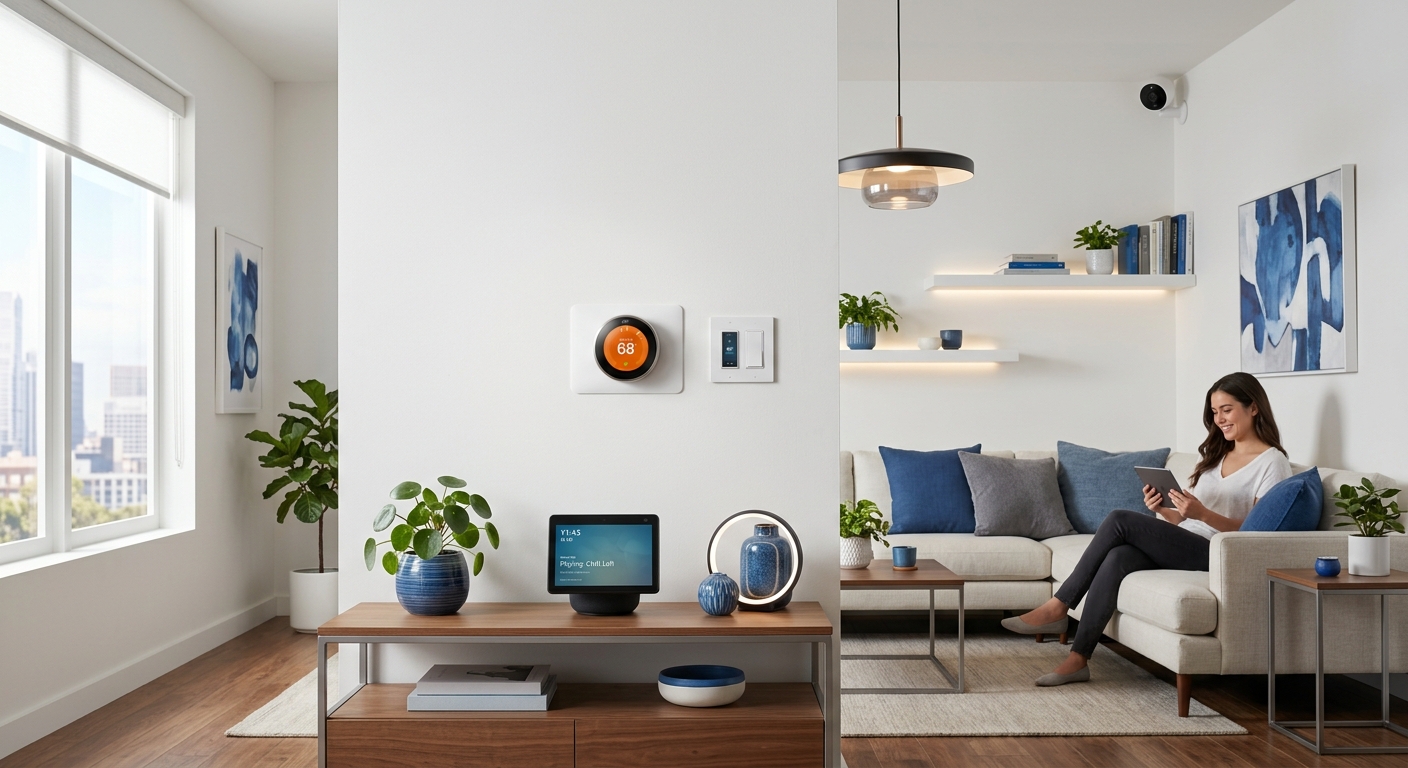
A smart thermostat is the single highest-ROI smart home purchase you can make. Modern units learn your schedule, adjust temperatures automatically, and can save 10-23% on heating and cooling bills. The best models in 2026 feature geofencing (adjusting based on your phone location), room-by-room sensors, and integration with both Alexa and Google Home.
Look for models with Energy Star certification and a clear app interface. The initial investment of $130-250 pays for itself within 12-18 months for most households.
2. Video Doorbells
Video doorbells have become essential for home security. They let you see, hear, and speak to visitors from anywhere via your phone. The best 2026 models feature 1080p or 4K video, night vision, motion detection zones, and cloud or local storage options.
Key consideration: choose between battery-powered (easy installation, monthly charging) and wired (continuous power, no maintenance). Most homes with existing doorbell wiring should opt for wired models.
3. Smart Lighting Systems
Smart lighting goes beyond turning lights on and off with your phone. Modern systems offer 16 million colors, scheduling, scene presets, and integration with other smart devices. LED strip kits can transform kitchens, bedrooms, and entertainment spaces for under $50.
The biggest practical benefit is scheduling — lights that turn on at sunset and off at bedtime create routines that improve sleep quality and home security simultaneously.
4. Security Cameras
Indoor and outdoor security cameras provide peace of mind whether you are at work or on vacation. 2026 models offer 4K resolution, AI-powered person detection (filtering out animals and shadows), two-way audio, and weatherproof construction.
For outdoor cameras, look for IP65 or higher weatherproofing and local storage options to avoid monthly cloud subscription fees.
5. Smart Plugs
Smart plugs are the most affordable entry point into home automation at $10-15 each. They turn any regular outlet into a smart outlet, letting you control lamps, fans, and small appliances from your phone or voice assistant.
Practical uses include scheduling a coffee maker to start before you wake up, turning off a space heater automatically, or monitoring energy usage of older appliances.
6. Voice Assistant Speakers
Voice assistants serve as the command center for your smart home. They can control lights, thermostats, locks, and entertainment systems with simple voice commands. The best 2026 models feature improved far-field microphones, built-in smart home hubs (Zigbee and Matter support), and better audio quality for music.
7. Smart Displays
Smart displays add a visual element to voice assistants. They show weather forecasts, calendar events, security camera feeds, and recipe instructions. In the kitchen, they are particularly useful for step-by-step cooking guidance. In the bedroom, they function as alarm clocks with sunrise simulation.
8. Robot Vacuums
Robot vacuums have improved dramatically. 2026 models feature LiDAR mapping, obstacle avoidance (recognizing shoes, cables, and pet waste), and self-emptying bases that hold up to 60 days of debris. They can mop as well as vacuum, switching between surfaces automatically.
9. Smart Sensors
Smart sensors monitor things you cannot see — water leaks, smoke, carbon monoxide, and open windows. Water leak sensors placed under sinks and near washing machines can prevent thousands of dollars in damage by alerting you at the first sign of moisture.
10. Smart Locks
Smart locks eliminate the need for physical keys. They unlock via fingerprint, phone proximity, or PIN code. The best models feature auto-lock (engaging after a set time), temporary guest codes, and integration with video doorbells for two-factor entry verification.
Conclusion
The smart home market in 2026 offers genuinely useful products at accessible prices. Start with a smart thermostat and a few smart plugs to test the waters, then expand based on what actually improves your daily routine. The key is choosing devices that work with a common ecosystem (Alexa, Google Home, or Apple HomeKit) so they can communicate with each other.
FAQ
Do I need a hub for smart home devices?
Many 2026 smart home devices connect directly to WiFi and do not require a separate hub. However, a hub can improve reliability and enable automation between different device brands.
Are smart home devices secure?
Modern smart home devices use encryption and regular firmware updates. Choose reputable brands, use strong passwords, and enable two-factor authentication for your account.
How much does a basic smart home setup cost?
A basic setup with a smart thermostat, two smart plugs, and a voice assistant speaker costs approximately $200-300. This provides immediate energy savings and convenience benefits.