How to Choose the Best Wireless Earbuds for Everyday Use
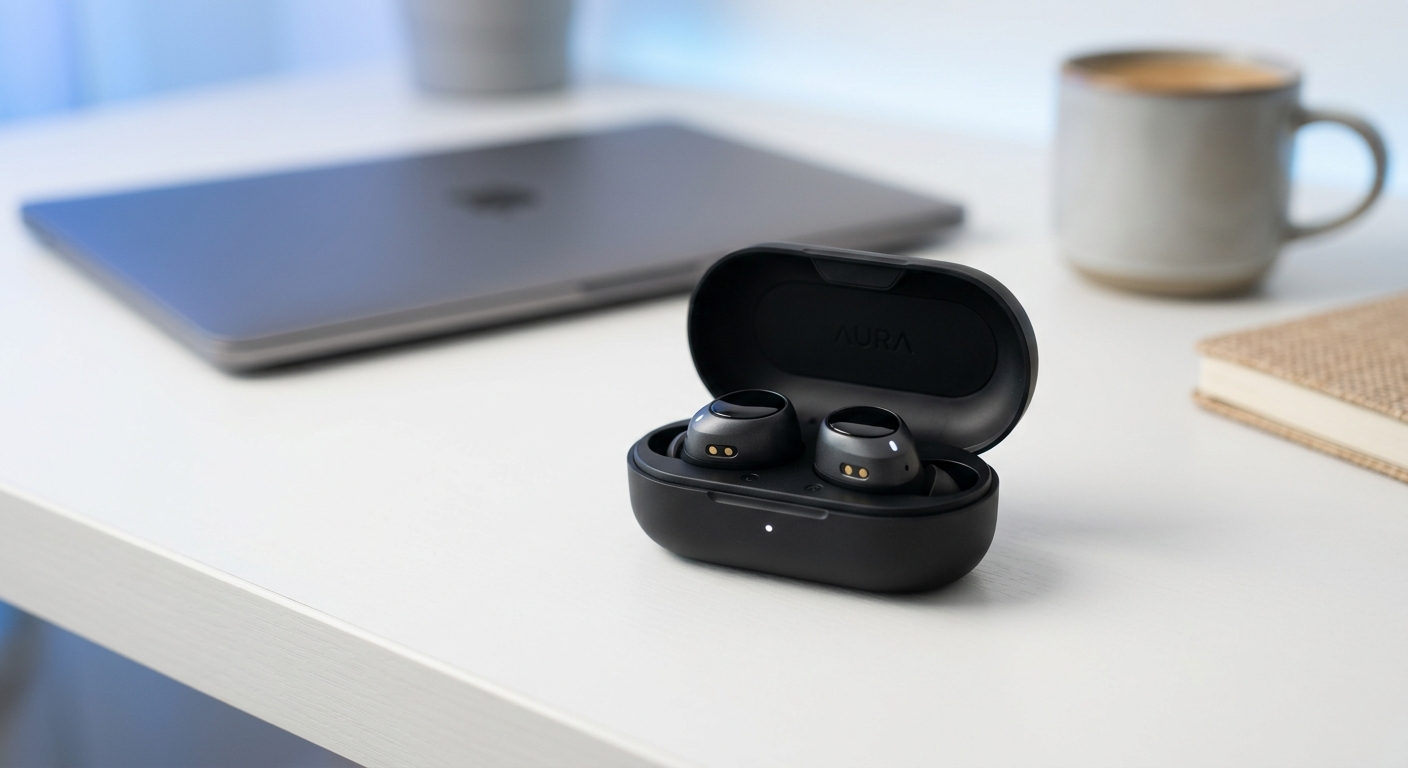
Wireless earbuds have replaced wired headphones for most people. But with hundreds of options ranging from $20 to $300, choosing the right pair requires understanding which features actually matter for your daily use.
Table of Contents
- Sound Quality
- Battery Life
- Comfort and Fit
- Active Noise Cancellation
- Water and Sweat Resistance
- Connectivity and Latency
- Microphone Quality
- Budget Considerations
1. Sound Quality
Sound quality is subjective, but there are objective factors to consider. Look for earbuds with dynamic drivers of 6mm or larger for better bass response. Codec support matters too — aptX and LDAC codecs deliver higher quality audio than standard SBC, but only if your phone supports them.
Frequency response should be relatively flat (20Hz-20kHz) for accurate sound reproduction. Bass-heavy tuning can be fun for pop and hip-hop but fatiguing for long listening sessions.
2. Battery Life
Battery life is where budget and premium earbuds diverge most. Look for at least 5 hours of playback per charge with 20+ hours total including the charging case. Premium models offer 8-10 hours per charge with 30+ hours total.
Fast charging is a practical feature — 10 minutes of charging should give you at least 1 hour of playback. USB-C charging is now standard; avoid models with older Micro-USB ports.
3. Comfort and Fit
Earbuds that hurt your ears after 30 minutes are useless regardless of sound quality. Look for models that include multiple ear tip sizes (S/M/L) and optionally wing tips for secure fit during exercise.
In-ear designs (with silicone tips that seal the ear canal) provide better noise isolation and bass. Open-ear designs (resting outside the canal) are more comfortable for long sessions but let in ambient noise.
4. Active Noise Cancellation
ANC uses microphones to detect ambient noise and generate an inverse sound wave to cancel it. Quality varies dramatically. Premium ANC can reduce airplane cabin noise by 30-40dB, while budget ANC may only reduce background hum by 10-15dB.
Transparency mode is equally important — it amplifies ambient sound so you can hear announcements or have conversations without removing the earbuds. The best implementations sound natural, not electronic.
5. Water and Sweat Resistance
For exercise use, look for IPX4 or higher rating. IPX4 handles sweat and light rain. IPX5-IPX7 can survive heavy rain and brief submersion. IPX8 is fully waterproof but rarely necessary for earbuds.
Even if you do not exercise, water resistance protects against rain and accidental drops in water. It is a feature worth having even on budget models.
6. Connectivity and Latency
Bluetooth 5.2 or higher provides stable connections up to 30 feet and lower power consumption. Multipoint connectivity (connecting to two devices simultaneously) is a premium feature that is genuinely useful if you switch between phone and laptop frequently.
Latency matters for video and gaming. Standard Bluetooth latency is 150-200ms, which causes noticeable lip-sync issues. Low-latency modes or aptX Low Latency codec can reduce this to under 80ms.
7. Microphone Quality
If you take calls with your earbuds, microphone quality is critical. Look for models with multiple microphones and noise reduction algorithms. Bone conduction microphones (found in some premium models) provide clearer voice quality in noisy environments.
Test call quality in windy and noisy environments if possible. Many earbuds sound fine in quiet rooms but become unusable outdoors.
8. Budget Considerations
The $40-80 range offers solid value with good sound, 5+ hour battery life, and basic water resistance. The $80-150 range adds quality ANC, multipoint connectivity, and better microphones. Above $150, you get premium sound tuning, advanced ANC, and longer battery life, but with diminishing returns.
Conclusion
The best wireless earbuds for everyday use balance sound quality, comfort, battery life, and noise cancellation at a price that makes sense for your usage. For most people, the $50-100 range offers the best value — you get good sound, reliable connectivity, and enough battery for a full day. Spend more only if you need premium ANC or specific features like multipoint connectivity.
FAQ
Are expensive earbuds worth it?
Premium earbuds offer better ANC, sound tuning, and build quality, but the improvement over mid-range models is incremental. For most users, $50-100 earbuds provide 90% of the experience at 30% of the cost.
How long do wireless earbuds last?
With proper care, wireless earbuds last 2-3 years. Battery degradation is the primary failure point — expect 20-30% capacity loss after 500 charge cycles (approximately 18 months of daily use).
Can I use one earbud at a time?
Most modern earbuds support independent use of either bud. This effectively doubles battery life and is useful for calls or situations where you need to stay aware of your surroundings.